



The Loonie's Paradox: Resource Wealth vs. Retail Debt
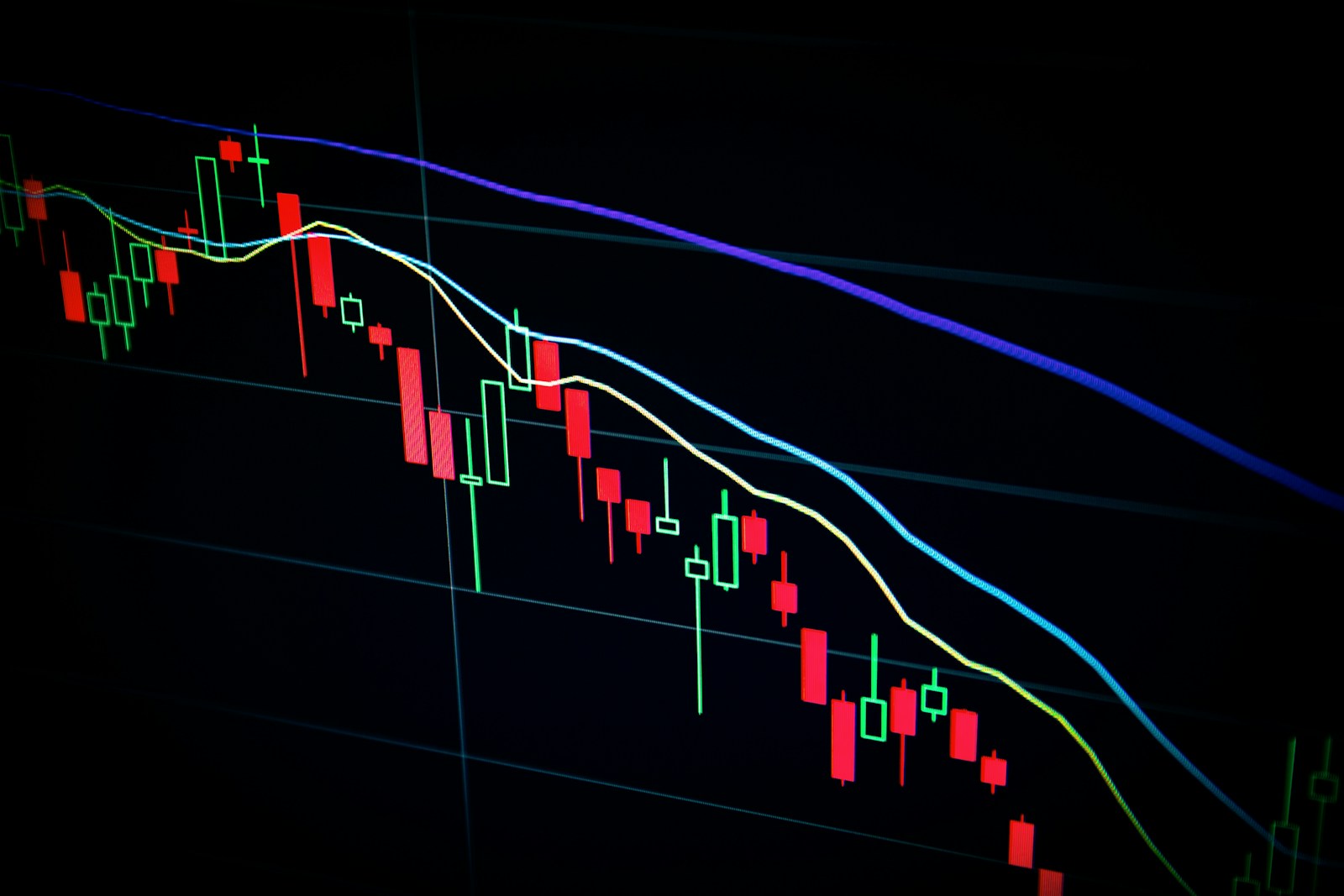
The Canadian dollar should be thriving. Commodity prices are elevated, energy exports are surging, and the country's trade balance is the healthiest it's been in a decade. Yet the loonie continues to languish below 74 cents US, weighed down by a domestic economy drowning in consumer debt and a housing market that refuses to correct to fundamentals.
The Two Canadas
Canada's economy has effectively split into two parallel realities. In the resource-producing West, unemployment is low, wages are rising, and provincial revenues are swelling. Alberta posted a $5.2 billion surplus in its latest fiscal year. Saskatchewan's potash exports hit record volumes.
But in the consumer-facing economy—concentrated in Ontario and British Columbia—the picture is starkly different. Household debt has reached 187% of disposable income, the highest in the G7. Variable-rate mortgage holders are spending an average of 38% of their after-tax income on housing costs, up from 25% just three years ago.
The Bank of Canada's Dilemma
The Bank of Canada finds itself trapped between these two realities. Cutting rates to relieve consumer pressure risks reigniting housing speculation and further weakening the currency. Holding rates steady continues to squeeze the very consumers whose spending drives 60% of GDP.
"The traditional monetary policy toolkit was not designed for an economy this bifurcated," says Dr. Priya Sharma, chief economist at the Canadian Centre for Policy Alternatives. "Every decision helps one Canada and hurts the other."
The divergence is showing up in consumer behaviour. Retail spending in resource-dependent provinces grew 4.2% year-over-year in the latest quarter. In the Greater Toronto Area, it contracted by 1.8%. Auto loan delinquencies in Ontario have reached their highest level since 2009.
The Currency Puzzle
For currency traders, Canada presents a confounding signal. The country's terms of trade—the ratio of export prices to import prices—suggest the loonie should be trading above 78 cents. But foreign exchange markets are pricing in the risk that consumer stress will eventually spill over into broader economic weakness.
The irony is acute. Canada's resource wealth is real and growing. Its consumer economy is fragile and overleveraged. Until these two forces reconcile—through either a housing correction, a sustained period of wage growth, or a fundamental restructuring of household balance sheets—the loonie will continue to reflect the weaker of Canada's two economic personalities.
Discussion
JOIN THE INNER CIRCLE
How should BC manage its old-growth forests to balance economy and ecology?