
The Resilience of the Boreal: Why the North Is Our Greatest Asset
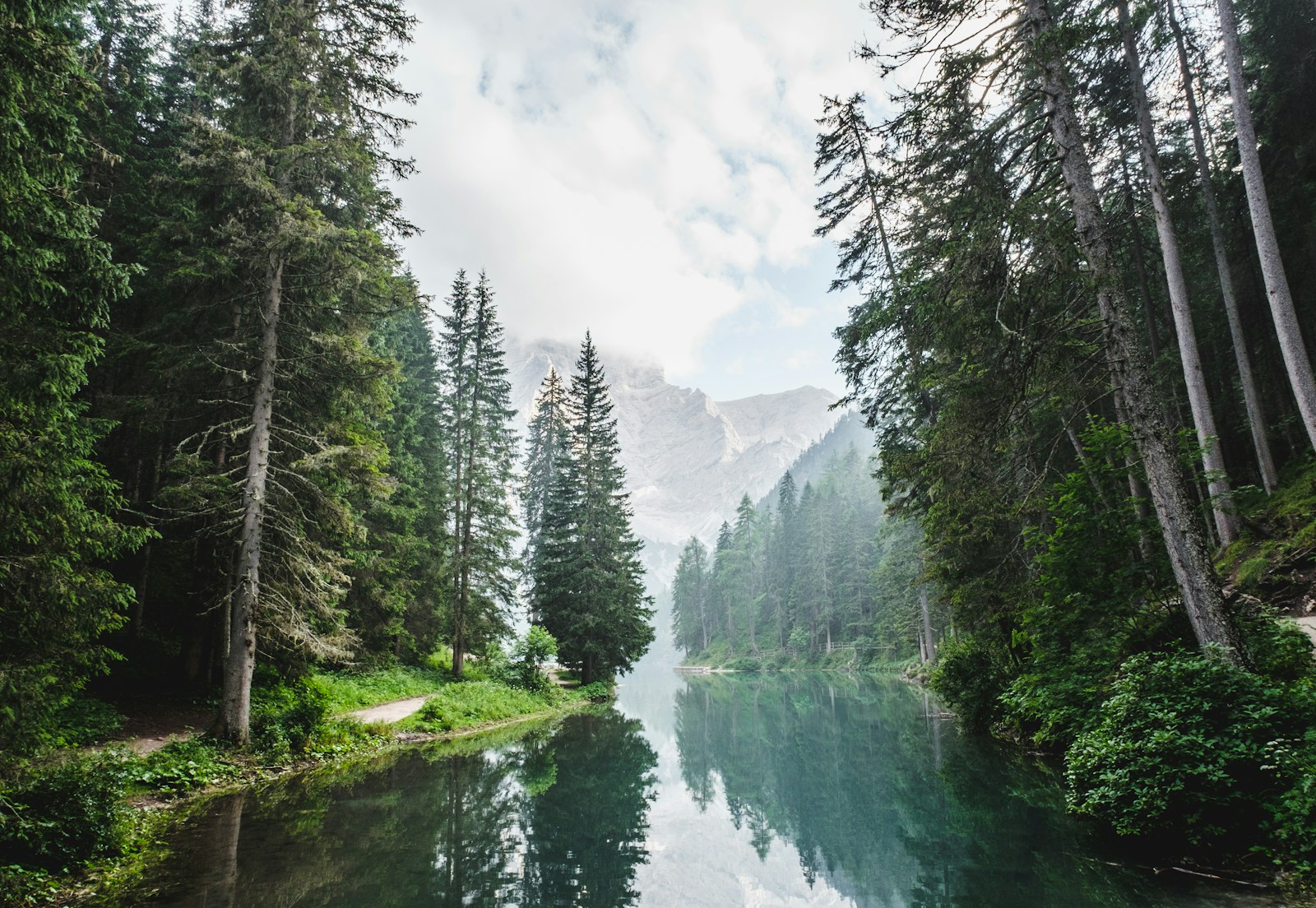
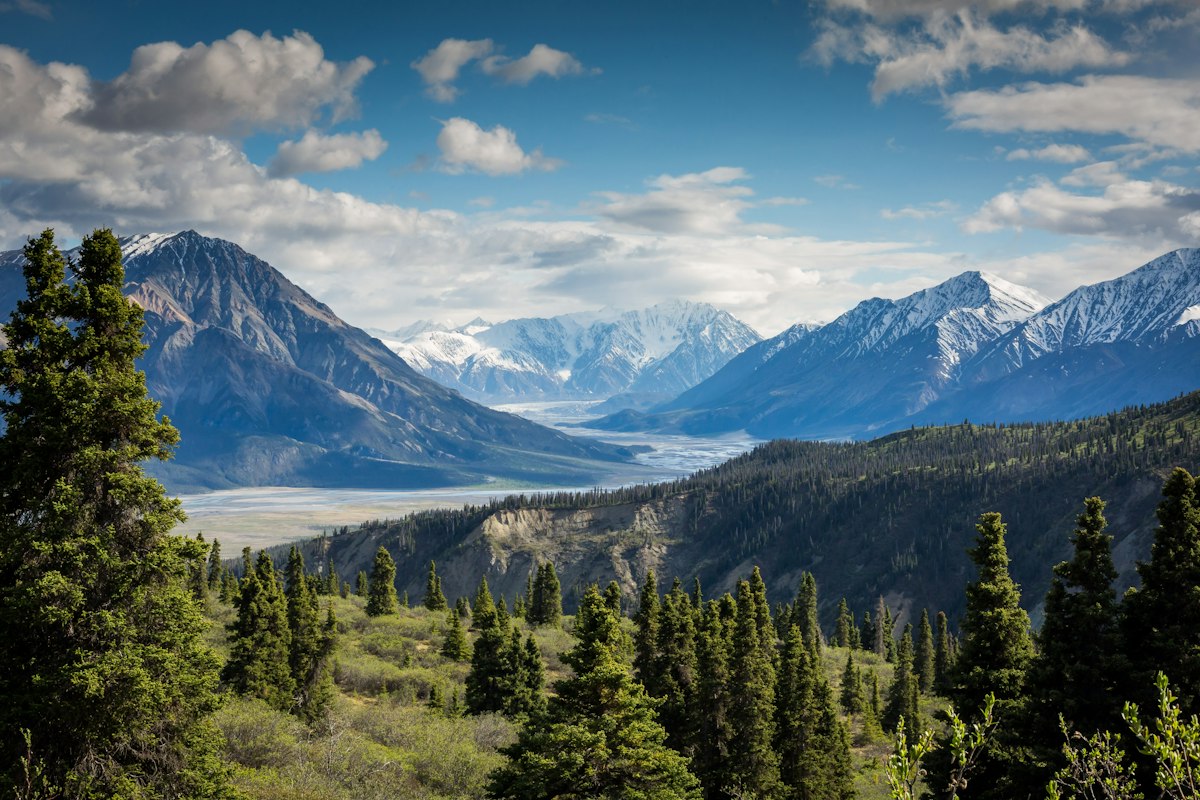
It stretches from the coast of Labrador to the Yukon border—a vast, unbroken expanse of spruce, pine, and birch that constitutes the largest intact forest ecosystem remaining on Earth. The boreal forest covers 270 million hectares of Canadian territory, stores an estimated 208 billion tonnes of carbon, and filters the water that feeds the rivers, lakes, and aquifers upon which millions of Canadians depend.
Yet for most of the country's history, the boreal has been treated as little more than a warehouse of extractable resources: timber to be cut, minerals to be mined, peatlands to be drained.
A New Valuation
That calculus is beginning to change. As carbon markets mature and the economic value of ecosystem services becomes quantifiable, the boreal is being re-evaluated not as a cost centre but as an asset—potentially the most valuable asset on the Canadian balance sheet.
A landmark 2025 study by the Natural Capital Project at Stanford University estimated the total ecosystem services value of Canada's boreal at $5.4 trillion annually. That figure includes carbon storage, water filtration, flood protection, biodiversity habitat, and recreation. It is roughly 2.5 times Canada's GDP.
The Threats
Climate change is the existential threat. Boreal forests are warming at twice the global average rate. Wildfire seasons are lengthening. Permafrost thaw is accelerating decomposition of organic matter, potentially turning the boreal from a carbon sink into a carbon source.
The 2023 wildfire season—which burned 18.5 million hectares across Canada—was a preview of what scientists call the "boreal tipping point": the threshold at which fire, drought, and insect infestations overwhelm the forest's capacity to regenerate.
The Conservation Imperative
Canada has committed to protecting 30% of its land and waters by 2030 under the Kunming-Montreal Global Biodiversity Framework. The boreal is central to achieving that target. Indigenous-led conservation initiatives, such as the Seal River Watershed in Manitoba and the Edéhzhíe Protected Area in the Northwest Territories, demonstrate that large-scale protection is both feasible and compatible with Indigenous self-determination.
The boreal is not a wilderness to be preserved in amber. It is a living system that requires active stewardship, adaptive management, and a fundamental rethinking of how Canada values its natural capital. In an era of climate crisis, the silence of the North may be our greatest strategic advantage—if we have the wisdom to protect it.
Discussion
JOIN THE INNER CIRCLE
How should BC manage its old-growth forests to balance economy and ecology?